
Building a Pegboard for Craft Supplies
Set Your Budget Before You Leave the House
A flea market is designed to loosen your grip on your wallet. Stalls are cheap, the atmosphere is cheerful, and a fiver feels like nothing when you're holding a perfectly good stoneware jar. That's exactly why the budget has to be decided at your kitchen table, not at the gate.
Draw out cash and divide it before you go. I use three envelopes: the hunt fund for things on your list, a small wildcard pot for genuine surprises, and a buffer of around £10 that stays sealed. Leave your card at home if you're prone to a weak moment. Physically separating the money makes you slow down, and slowing down is where the good decisions live.
A sensible split for a Saturday mooch is £40 to £60 in total. That's enough for two or three nice finds, a coffee, and parking, without the sinking feeling on Sunday evening.
Write a List in Three Tiers
The best collectors I know all carry a list, usually a tatty one in the back of a notebook. Not a wish list, but a working document in three parts.
- Hunt: specific pieces you genuinely want. "Green enamel bread bin, no rust." "Two matching brass candlesticks."
- Maybe: things you'd happily own if the price and condition are right. Vintage tins, patterned Pyrex, old hand tools.
- Leave: the temptation category. Write down what you keep buying and shouldn't — the third Victorian jug, the ninth tin of buttons nobody will ever sew back on.
The third list is the one that saves you money. Knowing your own weakness is half the battle.
Know Roughly What Things Are Worth
Half the pain of overpaying is not knowing the going rate. Prices vary by region and by how smart the seller is, but these are fair UK flea market figures for common finds in decent condition.
- Enamel bread bins and buckets: £8–£25, more for strong colour and no chips.
- Patterned Pyrex casserole dishes: £5–£20, with rare patterns far higher.
- Brass candlesticks, a pair: £10–£30, depending on weight and age.
- Old woodworking tools: £3–£15 per plane, chisel or brace — check for cracks in the handles.
- Vintage postcards and trade cards: 50p–£3 each, and often cheaper in bundles.
- Penguin paperbacks, 1950s–70s: £1–£6, colour-coded spines always sell well.
- Stoneware jars and flagons: £5–£20; hairline cracks kill the value.
- Copper pans: £10–£40, but only if the tin lining is sound.
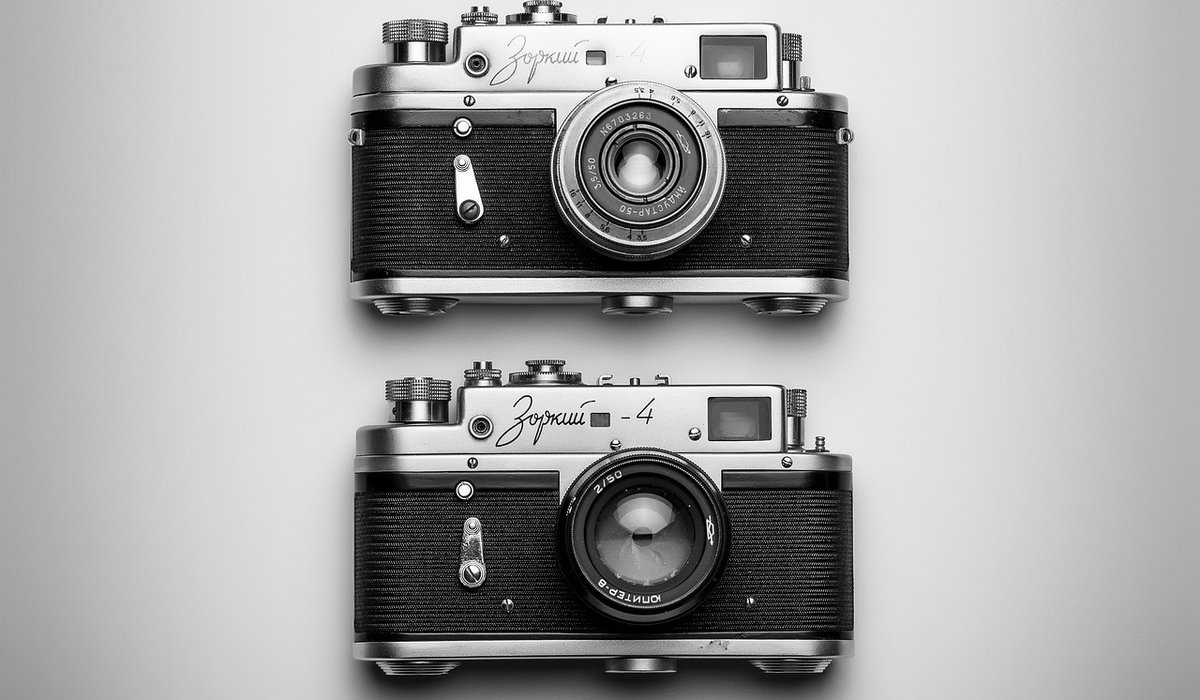
- Vintage cameras and typewriters: £15–£80, working examples commanding the top end.
- Vinyl: £1–£5 for common singles, £3–£15 for decent LPs.
Photograph a few prices on your phone as you browse. Within an hour you'll have a sharper sense of the market than any guide can give you.
Shop the Day Like a Local
Timing matters more than most people realise. Arrive in the first hour for the best stock and the least patience from sellers. Come back in the final hour for the bargains, when stallholders would rather sell than pack. If it's drizzling, go anyway — the fair-weather crowd stays home and the traders get generous.
Work the edges first. Corner stalls and the ones facing away from the main drag see less footfall and often hold the better pieces. Walk the whole site once before buying anything, so you don't spend your hunt fund on the first stall and then find the same thing cheaper two rows over.
Haggle Nicely and Know When to Walk
Flea market haggling is a conversation, not a duel. Ask what they'd take for two or three items together, and accept that a polite no is a complete answer. Never haggle over 50p — it costs you goodwill and looks mean.
Hold the piece up to the light. Check for chips, crazing, hairline cracks, rust under enamel, missing hinges and woodworm holes. Ask yourself the honest question: if this were in a shop at three times the price, would I still want it? If the answer is no, put it down. There will be another one next month, and your buffer stays sealed.
- Damage that can't be hidden or repaired is a reason to walk, not a reason to negotiate.
- "It just needs a bit of work" usually means four weekends and a new set of skills.
- Buy the object you love at a fair price, not the object that's cheap.
Get Your Finds Home and Shown Off
The pleasure of a collection is in the arranging. Give your finds a proper home the same day — a shelf, a cabinet, a dedicated tin — otherwise they join the pile in the spare room and lose their shine. Rotate what you display rather than cramming everything out at once; a few well-chosen pieces always look better than a crowded mantelpiece.
Keep a simple notebook of what you paid, where you found it and the date. It sounds fussy, but a decade on that little record turns a jumble of car boot bargains into a proper collection with a story. And when someone asks about the brass candlesticks, you'll remember the rainy Saturday and the stallholder who knocked off a pound.
LEAVE A COMMENT