
Creating a Rotating Shelf for Small Treasures
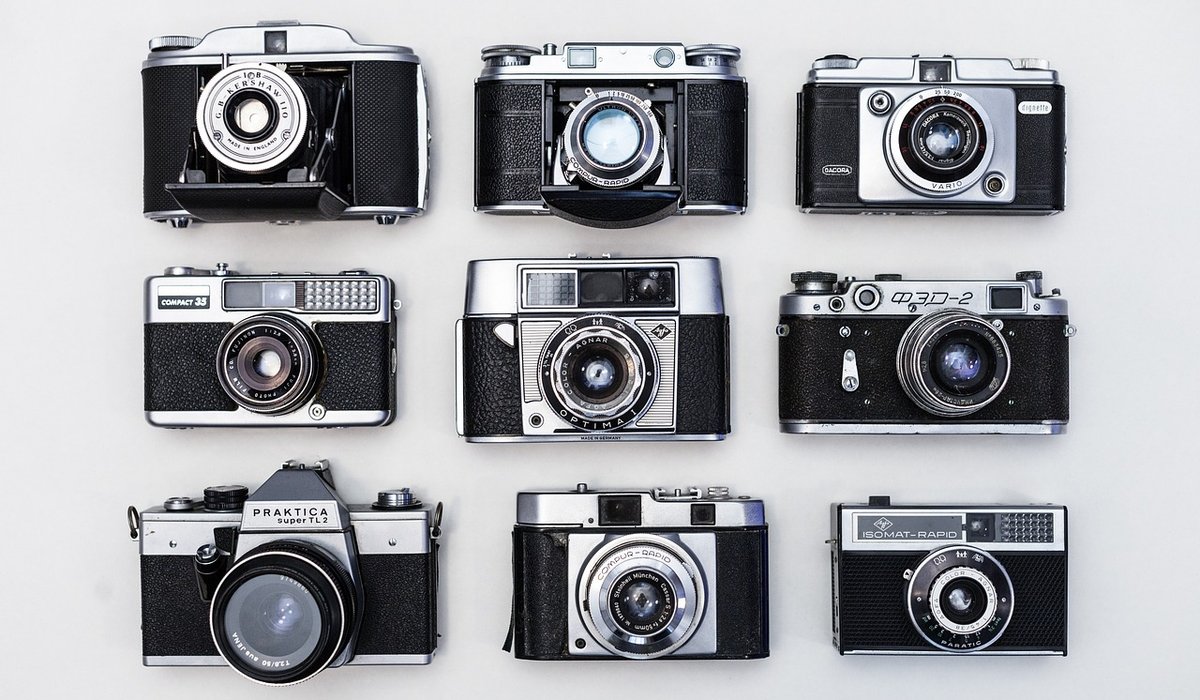
A cabinet of curiosity — or Wunderkammer, if you like the German — was the original collector's display. Long before museums existed as we know them, ordinary people with a bit of money and a lot of curiosity filled wooden cabinets with shells, fossils, coral, coins, feathers and whatever else caught their eye. The joy was in the looking, the handling and the story behind each object. That same joy is alive and well today, and you can recreate it on a single shelf at home.
Where the Cabinet of Curiosities Began
The fashion took hold in sixteenth and seventeenth-century Europe. Wealthy merchants, apothecaries and scholars assembled what they called a cabinet of curiosities — sometimes a piece of furniture, sometimes an entire room. These collections mixed the natural and the man-made without much distinction: a narwhal tusk beside a carved coconut, a dried seahorse next to a Roman coin. The point wasn't scientific order. It was wonder.
Famous examples include the Danish physician Ole Worm, whose cabinet was catalogued in 1655, and the Tradescant family's collection in Lambeth, which later helped form the Ashmolean Museum in Oxford. What united these collectors was a hunger to understand the world by gathering pieces of it. You don't need their budget to follow the same instinct — just a willingness to look closely at small things.
From Private Wonder to Public Museum
By the eighteenth and nineteenth centuries, the cabinet began to split into two strands. Serious collectors started sorting their specimens into scientific categories, and many private cabinets were absorbed into public museums. Meanwhile, the Victorian parlour took up the hobby in a gentler form: shell displays, butterfly cases, geological specimens, pressed flowers and the ever-popular scrapbook.
That Victorian habit of arranging, labelling and displaying small treasures is exactly what makes a modern curiosity cabinet work. It isn't about value. It's about curation — choosing, grouping and presenting objects so they tell a story.
What to Collect for a Modern Cabinet
The best starting point is a theme, however loose. A cabinet with no organising idea quickly becomes clutter. Try one of these directions:
- Natural specimens: sea-worn pebbles, shells, fossils, dried seed pods, shed feathers, insects in resin, pressed leaves.
- Human-made oddities: antique keys, old watch movements, dice, thimbles, miniature tools, typewriter keys.
- Paper curiosities: postcards, matchbox labels, stamps, botanical illustrations, tickets from long-gone events.
- A single colour or material: everything white, everything brass, everything made of glass — wonderfully cohesive and surprisingly easy to build.
Ethical sourcing matters. Never buy protected species, wild bird eggs or anything taken from the wild without permission. Charity shops, car boot sales, beachcombing (where local rules allow) and household swaps are all fair game and often throw up the best finds.
How to Arrange a Display That Works
Arrangement is where a collection becomes a cabinet. Start with a shallow shelf, a small glass-fronted case or an old printer's tray, which has ready-made compartments. Then work in layers.
- Group by theme or material rather than scattering items randomly — three shells together read as a collection; one shell among coins does not.
- Vary height and form. Use small risers made from upturned boxes, cork offcuts or stacked books to lift pieces at the back.
- Balance colour and weight. Place a dark, heavy object opposite a light, delicate one to keep the eye moving.
- Leave breathing room. Crowding kills curiosity; a little empty space makes each object feel intentional.
- Add a light touch. A small battery LED strip or a dim clip lamp lifts texture without fading paper and fabric.
Labels are a lovely addition. A tiny handwritten card with the object's name, where it came from and the date gives a cabinet real charm and turns a display into a story.
Caring for Your Collection
Small treasures need gentle handling. Dust with a soft brush rather than a cloth, and keep everything out of direct sunlight — paper will yellow and feathers will fade within a season. Moisture is the enemy of shells and pressed plants, so tuck a couple of silica gel sachets into the case and refresh them occasionally.
Pests are another consideration. Woollen items, feathers and dried specimens attract clothes moths and carpet beetles. Cedar blocks or lavender bags help, and a regular check of hidden corners will catch problems early. If you're displaying anything metal, keep it away from damp walls to slow corrosion.
Rotate your display now and then. A cabinet that never changes becomes furniture. Swapping in a handful of pieces each season keeps the collection fresh and gives you an excuse to re-examine objects you'd started to overlook.
Making It Your Own
The joy of a curiosity cabinet is that it is entirely yours. There's no committee, no correct answer and no need to impress anyone. Start with five objects that genuinely intrigue you, arrange them on one shelf, and see what happens. Before long you'll find yourself scanning charity shops and beachlines with a collector's eye — and that quiet, unhurried habit is precisely what made the first cabinets so pleasurable four centuries ago.
LEAVE A COMMENT